Too often, campaigns that touch the third-rail topics of taxes and healthcare talk about tax cuts while making vague promises of more doctors. Amid the flurry of democratic activity across Canada this Fall, a refreshingly frank commitment in British Columbia’s provincial election stands-out. The incumbent BC NDP is proposing to pay for specific healthcare reforms, by raising taxes on those most able to afford them.
Affecting the top 4 percent of incomes, the proposal will raise income tax rates for the top two tax brackets and introduce a new bracket on income over $1 million. This will help pay for the NDP’s platform commitments to expand access to homecare, long-term care and surgical care, among other proposals.
Some have expressed concern that this may have a perverse effect, causing highly paid doctors to leave the province. It is worth noting that if taxes were what drove where clinicians work, American doctors and nurses would not be relocating to BC in droves, leaving behind lower US income tax rates. Working conditions, public investment, and a system that values the public good, appear to matter more. Regardless of profession, even with the proposed increase on the top 4 percent of incomes, someone making $250,000 annually in BC will still pay less income tax than they would in Ontario.
Many will be surprised to learn how unremarkable this is. In Canada, 11 percent of GDP is spent on healthcare. This is overall spending, for both public and private health care services. Of this 11 percent of total spending, approximately 70 percent is spent as public dollars and 30 percent as private. In BC the spending mix is much like the country overall, at a 70/30 proportion. For comparison, Ontario spends 66 percent publicly, and 34 percent privately.
Funding healthcare through public dollars raised by taxes is what many of Canada’s peer countries do, and they do more of it. Germany, France, the Netherlands, and Norway all fund 84 percent or more of their healthcare publicly. Canadians spend more of their on private payment than they do.
These two facts are connected. A healthcare system is funded through taxes or paid for by people themselves, directly or through private insurance. Where governments collect less in taxes, more of the bill lands on patients and employers.
Tax revenue in Canada adds up to 34.8 percent of GDP. In comparison, Germany, France and Italy, the EU’s three largest members, collect 37.5 percent, 43.8 percent, and 42 percent, respectively.
BC sits at the lower end of the Canadian range. The provincial government collects less tax revenue than the average revenue of the other provinces; at about $9,000 per capita versus a national average of approximately $9,500.
Notably, the BC Greens have said the NDP proposal does not go far enough. Income and wealth inequality are both rising. The earnings of the richest Canadians often occur outside of employment income, through stocks, real estate, private equity and other investments. The BC Greens have proposed taxing wealth instead of income, via a one-time Fair Share tax on extreme wealth, beginning at 5 percent of net wealth above $50 million. It would then drop to an annual rate, starting at 2 percent.
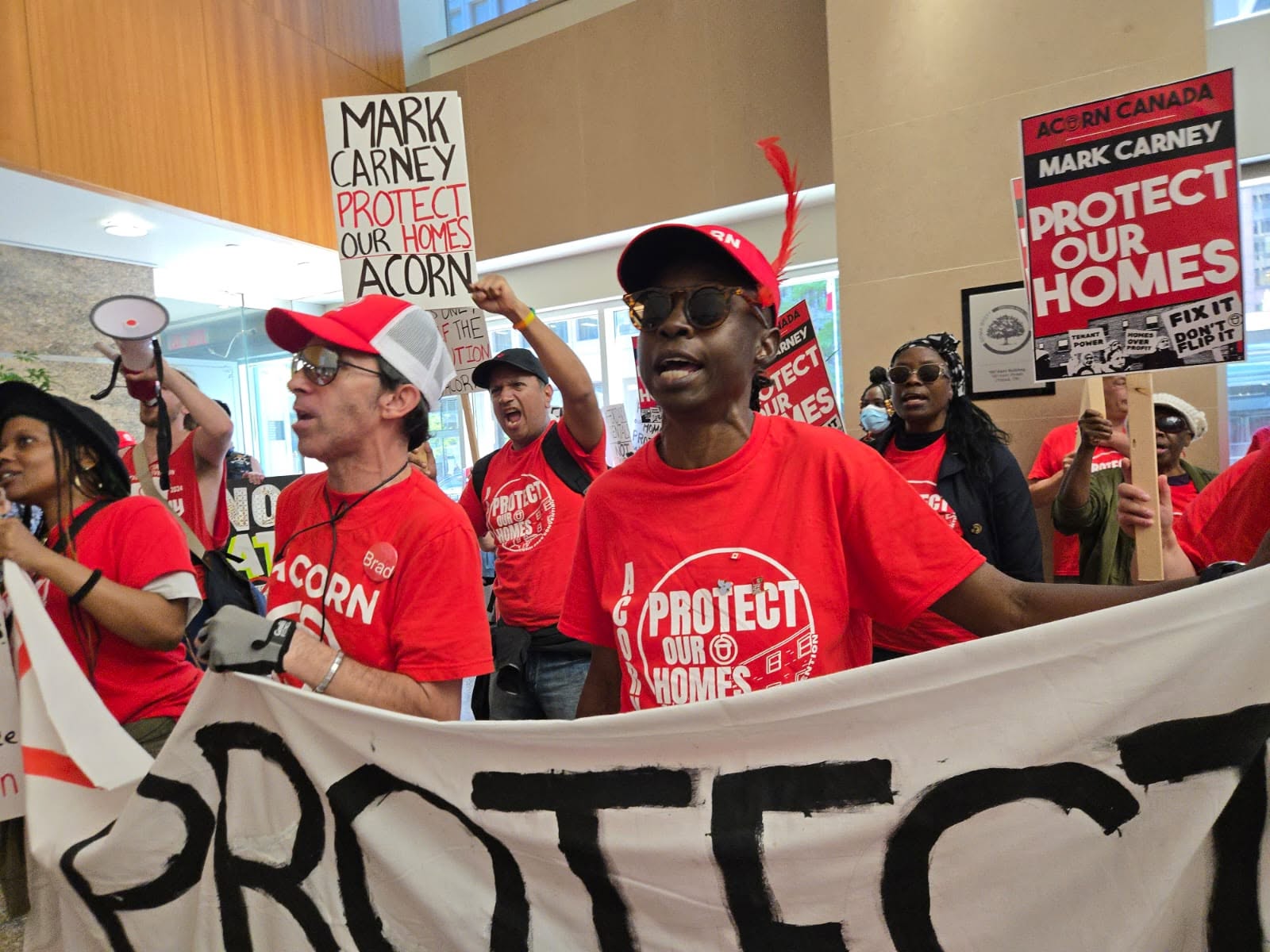
These proposals, one linking a progressive income tax to healthcare, the other for a wealth tax, stand in contrast to the federal government’s approach. For example, during Prime Minister Mark Carney’s “elbows up” election campaign in 2025, he pledged to allocate $3.2 billion to provincial governments to ensure all Canadians can access family medicine. Thus far, he has allocated $6 million to Manitoba and $21 million to Ontario; approximately 1 percent of the campaign promise. Simultaneously, his government has reduced the federal government’s ability to make investments in public services. This has included a cancelled capital gains tax increase, acquiescing to the Trump administration on a digital services tax, reduction of luxury taxes on private planes and yachts, and bringing in a new corporate “mega deduction.”
This has left provinces with a choice: raise the money to pay for the care people expect, or keep leaving the bill to patients and employers. The BC NDP is betting voters will choose the former, and is asking those best able to contribute to do a bit more. The question isn’t whether this plan is radical. It’s why other elected leaders aren’t suggesting the same.