Talk of “the end of jobs” hides real labour market issues
The problem with the “end of jobs” narrative is that it disarms us by suggesting that massive technological forces out of our control are most to blame for our problems. That is not the case.

Andrew Jackson is senior policy adviser at the Broadbent Institute, and the author of The Fire and the Ashes: Rekindling Democratic Socialism, available from BTL Books.
The problem with the “end of jobs” narrative is that it disarms us by suggesting that massive technological forces out of our control are most to blame for our problems. That is not the case.

The challenge for progressives is to show that better public services serve the interests of all, while a focus on tax cuts will mainly benefit the most affluent.
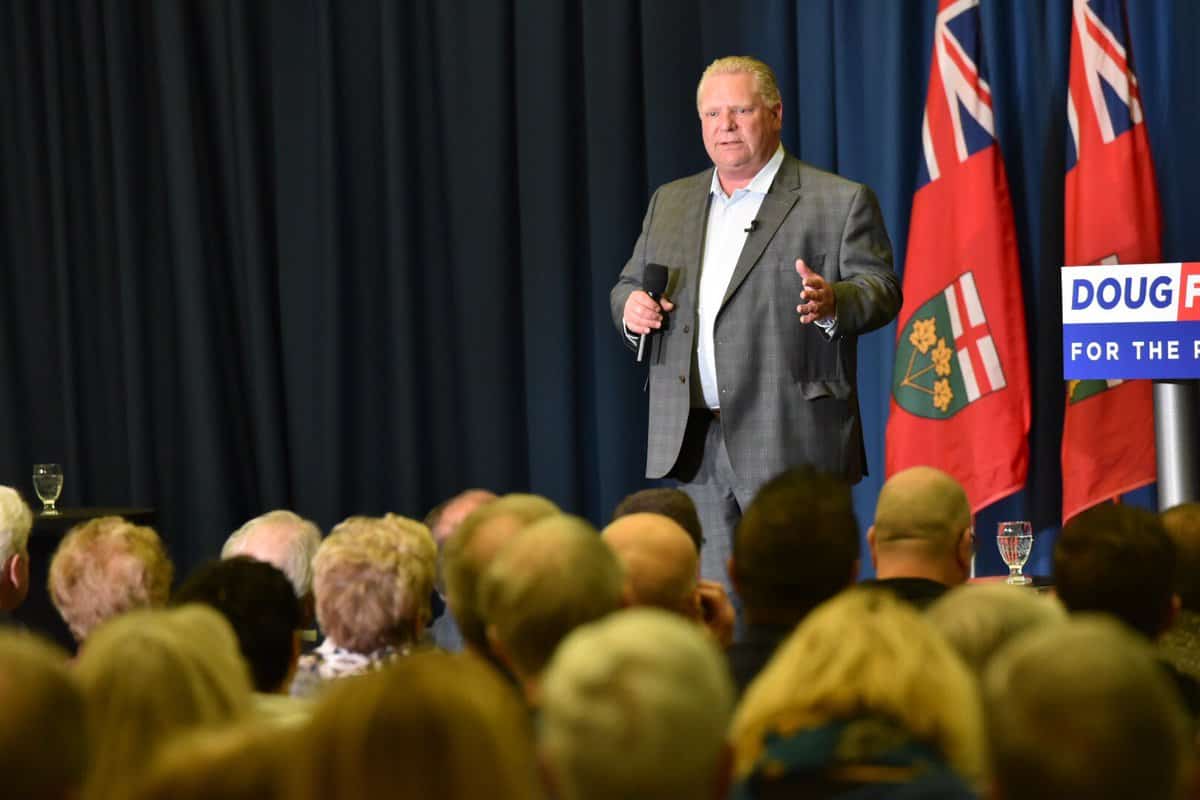
Aivalis’ argument that Pierre Trudeau was a “Constant Liberal” is subtle, and acknowledges that organized labour and the NDP were not always consistently advocating policies well to the left of the Liberals.

Development of a new trade agenda should certainly be on the agenda of labour and the left.
The 2017 federal elections in Germany confirm and continue some key trends in contemporary politics.

While most economists accept that there is some trade-off between unemployment and inflation, no one really knows how low unemployment can fall before wages begin to rise at a faster pace.

The top 1% of individual taxpayers receive almost all of the benefit of the stock options deduction and 87.4% of the benefit of the capital gains deduction.

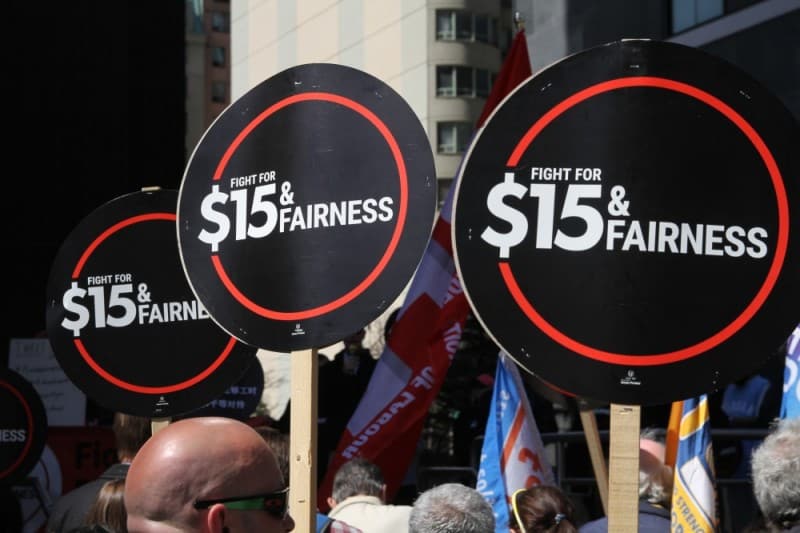
What we need is higher productivity in low wage industries, and a higher minimum wage floor will help to do the job.
This well-known story of declining real earnings of younger workers is seemingly inconsistent with a story of increasing family incomes of children relative to their parents.