Efficiency at What Cost? Bill C-5 and the Risks to Canada’s Regulatory State
The Cabinet’s authority to designate projects and override recommendations by regulatory bodies creates a new form of political uncertainty.

The UK-based climate activist and writer explains how the Conferences of Parties have bureaucratized climate organizing.

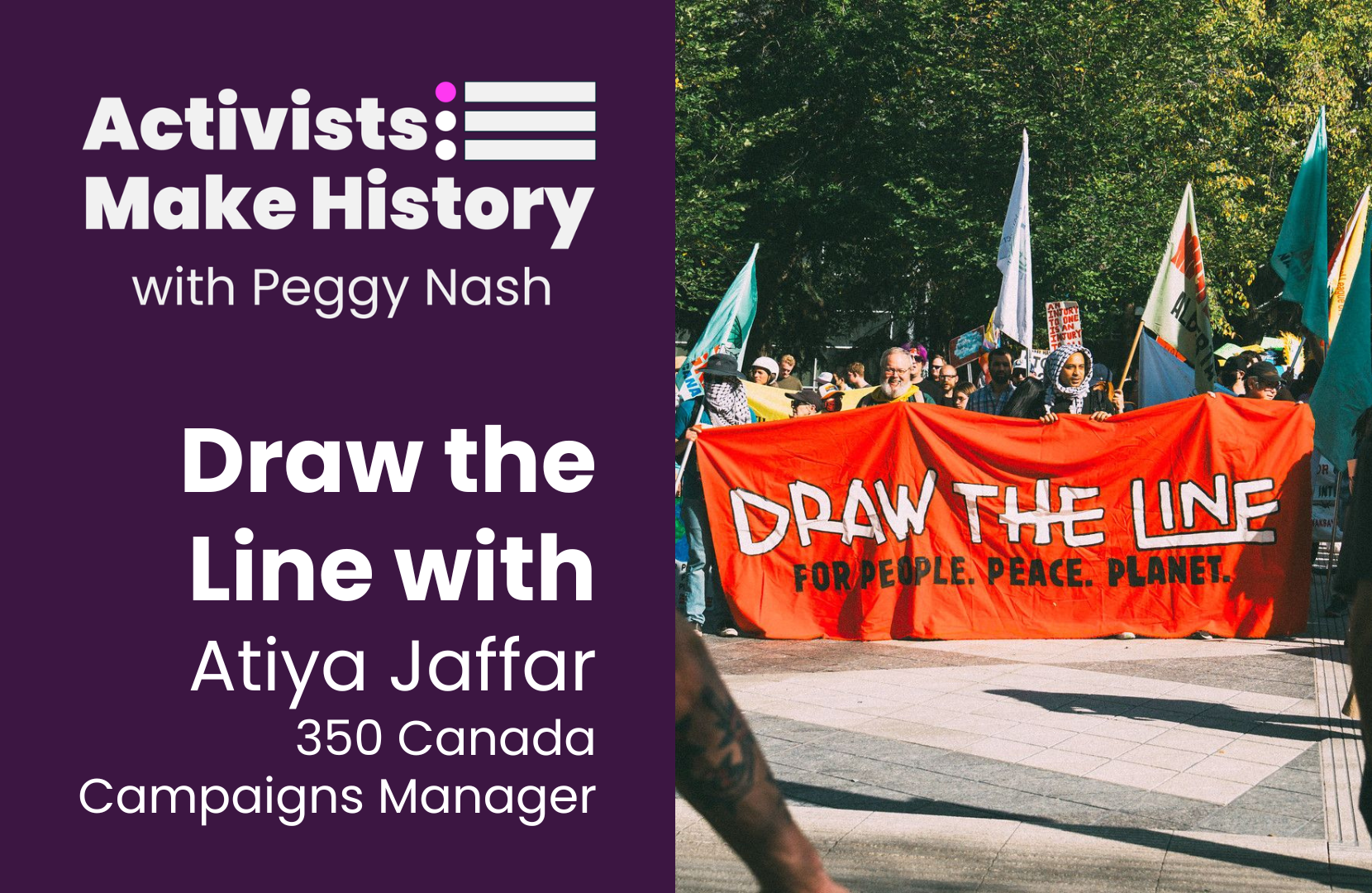
The 350 Canada Campaigns Manager collaborated with climate, labour, Indigenous, and social justice movements to draw the line against fossil fuel expansion.

Together, Saskatchewan and Ontario form a powerful made-in-Canada energy supply chain that produces non-emitting and reliable electricity to meet the country’s energy needs.

The province has pushed nuclear onto the fast-track while demoting clean, cost-effective and safe renewables to the sidelines.

After decades of hesitation on nuclear energy, the Ontario NDP needs to be bold in its vision for an electricity grid that powers economic growth and delivers affordable hydro to all Ontarians.

The return of industrial policy has come with a resurgence in critical attention to the meaning of state capacity, not just as a barometer of state success but even as a barometer of state legitimacy.

Colombian oil workers and la Unión Sindical Obrera (USO) are leading the charge for a just transition. Here’s what Canada can learn from their worker-led climate plan.

Does the so-called green consumption of the “sustainability class” really work to help save us from climate catastrophe? Without challenging capitalism, can everyone afford the cost of living, reduce emissions, and achieve climate justice?