
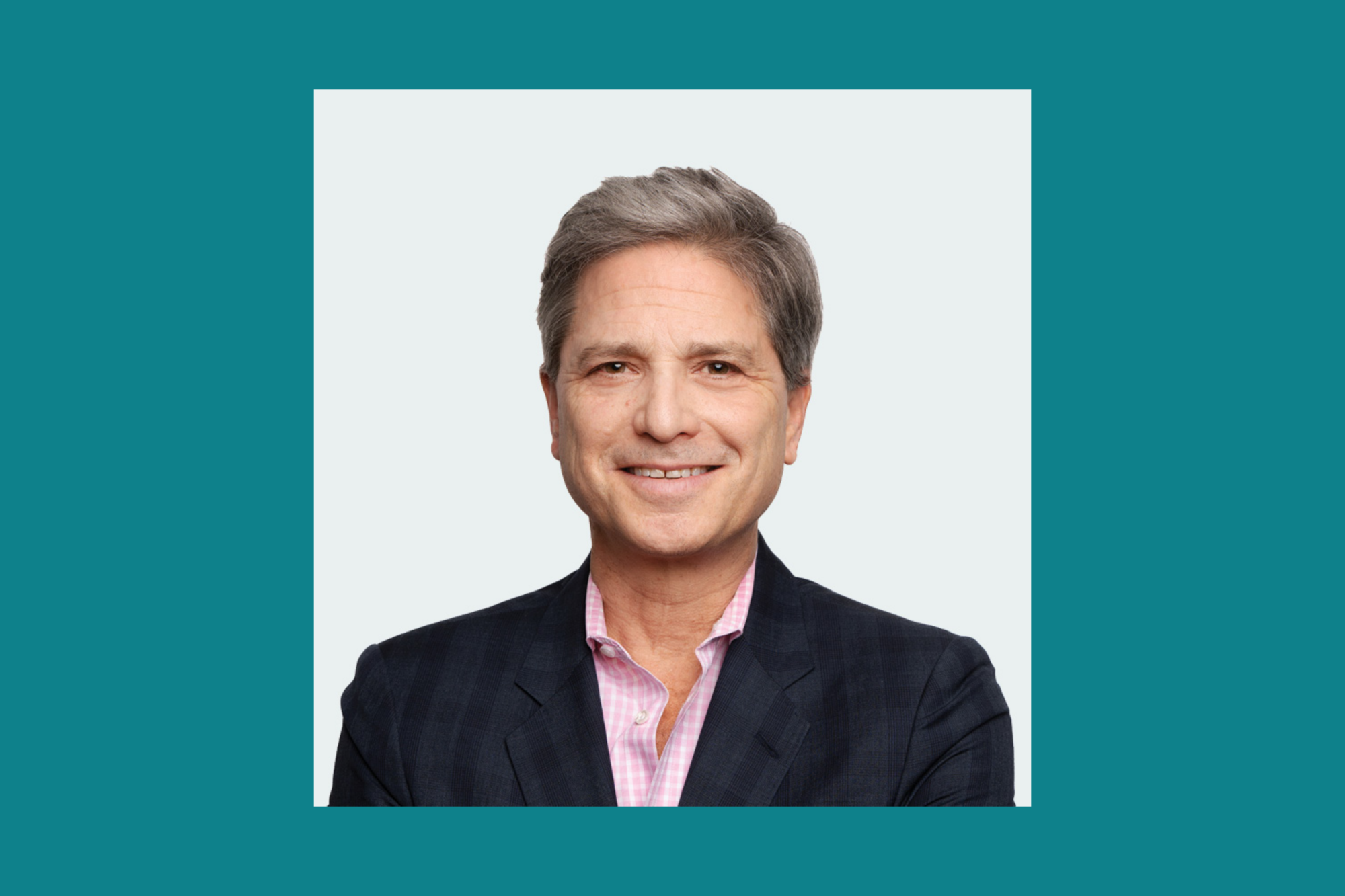
I have been interested in the tension between capitalism, democracy and sovereignty for almost 40 years. I was politicized on these issues in 1988 during the FTA debate and they shaped my core political instincts, preoccupations and values. Capitalist societies inevitably lead to inequality, but the unequal distribution of wealth and power has grown to the breaking point in the past 40 years during the era of neoliberalism.
In my professional work today, these interests manifest in a focus on ownership and inequality, with the goal of identifying and advocating public policy change that will broaden and diversify ownership of assets in Canada and catalyze more investment into local assets that deliver social, community and environmental returns.
Over the past two years, the question of sovereignty and who controls key assets in Canada has of course become more central to my preoccupations. It has also made issues I care about more prominent on the policy agenda, like industrial policy, community and state ownership of assets, resilience of democratic institutions, social capital and civic trust, digital sovereignty, and the nature and impacts of foreign direct investment.
At the moment, my focus is on how the structure of the economy is helping those who hold assets to become obscenely wealthy while making it harder for most people to get by. The returns on capital are growing, inflating the price of assets, and removing rungs on the social and economic mobility ladder, making it harder for most people to build economic security.
The dynamics of neo-liberalism have led us towards deep inequality and emerging fascist movements.
Canadians used to own and operate businesses and build value over generations. Today, most entrepreneurs are focused on exit to a financialized or monopolistic/oligarchical purchaser. The number of businesses and other assets (like real estate) owned by financialized interests continues to grow. Ownership of the economy is further consolidating, resulting in more of the financial value from Canadian assets extracted and flowing to a smaller group of large asset owners.
My focus today is on identifying systemic public policy changes that can reverse these trends.
Some are of things I’m interested in are defensive – like regulating financialized interests and using existing policy tools, like the Investment Canada Act and the Competition Act, to arrest consolidation and the extraction of value that usually follows a PE buy-out and roll-up.
But most of my work is focused on positive public policy changes and building something new that allows workers and communities to control and own more of the value they generate.
At the local level, that means community wealth building strategies which use the state, policy tools like social procurement, public land, and regulation to create more public value and broadly shared prosperity instead of extractive growth.
And at the national level I focus on fiscal, regulatory and legislative changes that can incent capital to invest in activities, people and practices that will produce more broadly shared public and social value, rather than simply financial returns.
My two areas of intense policy focus at the moment are, first, strengthening the regulatory and legislative frameworks that will allow community, social and impact finance institutions to scale and finance more diverse activities, organizations and entrepreneurs. And second, advocating for financing and policy changes that will make it more likely that existing business owners in Canada sell their business to local, Canadian, alternative, employee, co-op, or community buyers, rather than larger, foreign, PE and financialized buyers. These efforts are designed to change the underlying ownership structure of Canadian economic assets and businesses, making the holders of financial power more likely to have commitments to the long-term well-being and economic resilience of the communities in which they operate.
