Democracy, Participation and Capitalist Crisis: An Interview with Nancy Fraser
Professor Nancy Fraser argues that the political arena is important because it is here that collective regulatory powers are exercised.

The Golden Age was marked by very strong economic growth and by close to full employment, resulting in steadily rising real wages and the expansion of the fiscal base needed to finance the growing welfare state.

By the inter-war period, social democracy had emerged in Canada as a more or less coherent ideological and political force.

Social democracy was not only about the welfare state and public services and expanding social rights, but also about regulated capitalism, economic democracy, or even transcendence of capitalism as an economic system.

A new report from the Broadbent Institute examines how the financialization of the grocery retail industry has raised prices while shrinking pay cheques.

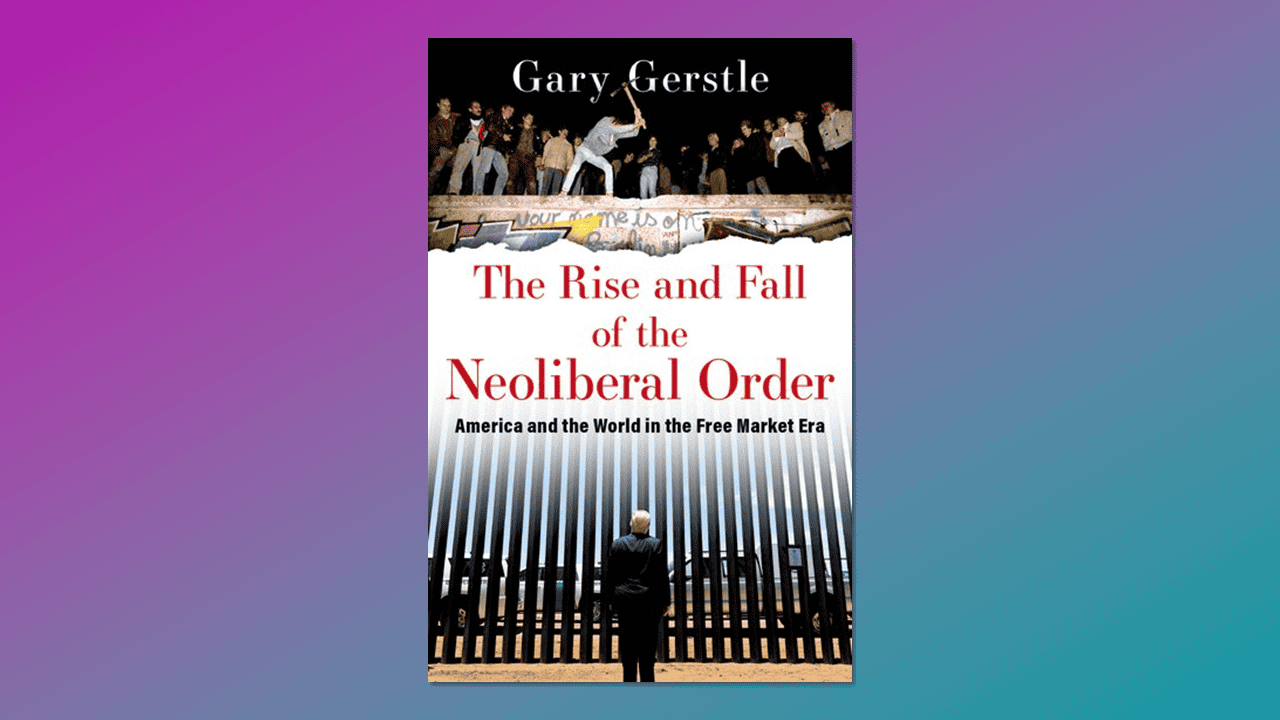
Since the mid-2000s, the hegemonic neoliberal order has itself entered crisis, driven above all as a political reaction.

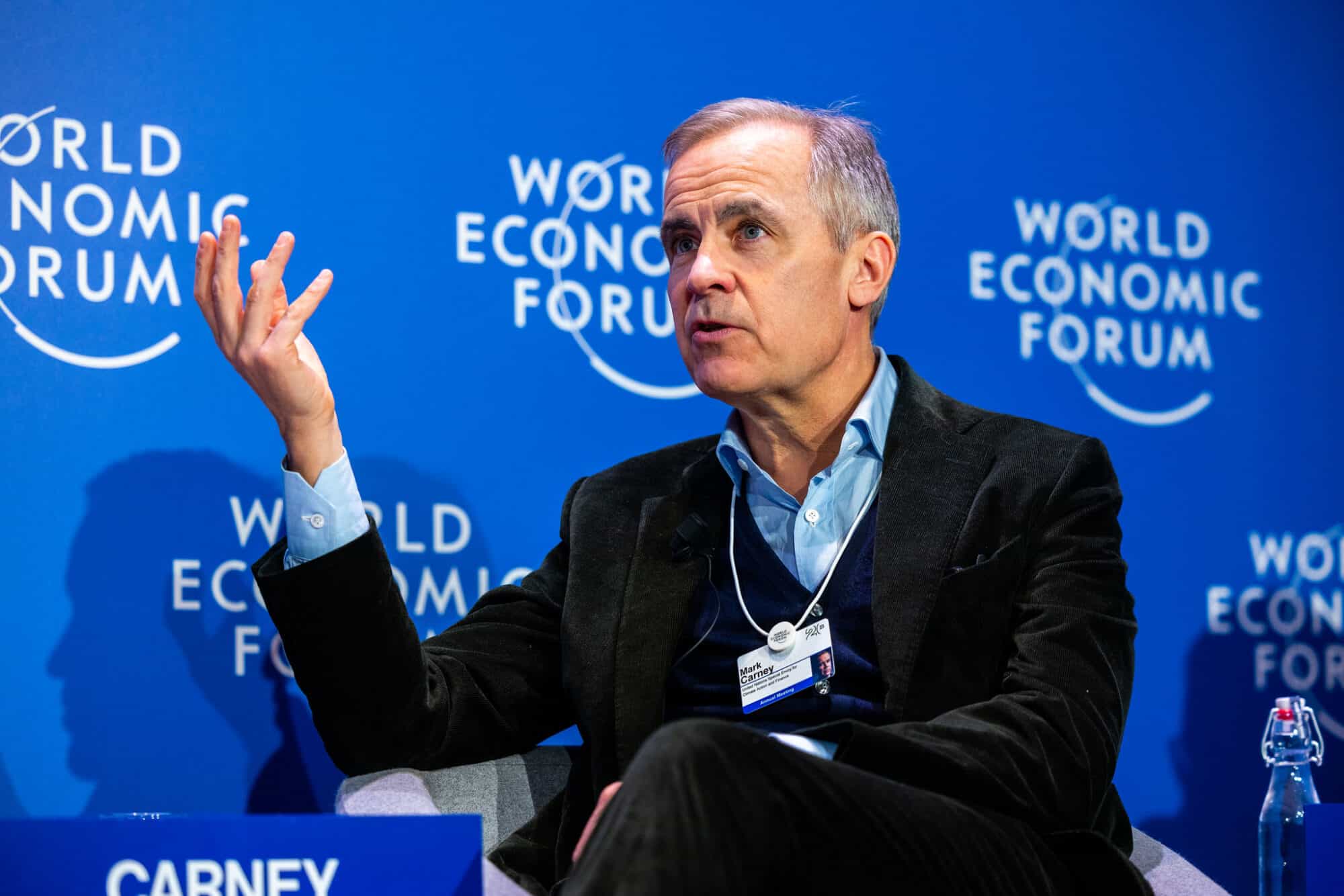
Mark Carney does not deny the need for government supervision and regulation to balance corporate capitalism with broader social goals. But his faith in socially responsible capitalism is excessive.

The global economy has to be seen, not so much as a set of discrete national economies trading with each other, but as a vast “macro financial” web of corporate balance sheets and financial flows.

In this new age of corporate concentration, we certainly need a much broader response than competition policy alone.