Democracy, Capitalism and Sovereignty
Capitalist societies inevitably lead to inequality, but the unequal distribution of wealth and power has grown to the breaking point in the past 40 years during the era of neoliberalism.

Capitalist societies inevitably lead to inequality, but the unequal distribution of wealth and power has grown to the breaking point in the past 40 years during the era of neoliberalism.

SaskTel and Thunder Bay Tel are living proof that the “public option” can operate successfully today in a competitive market, delivering service, employing union workers, and returning revenues to public coffers rather than private shareholders.

CUPE’s Senior Economist explains how public ownership and public investment are necessary for a productive economy.
Ending the practice of contracting out at DND is in the interest of national security and public trust while respecting workers and taxpayers.

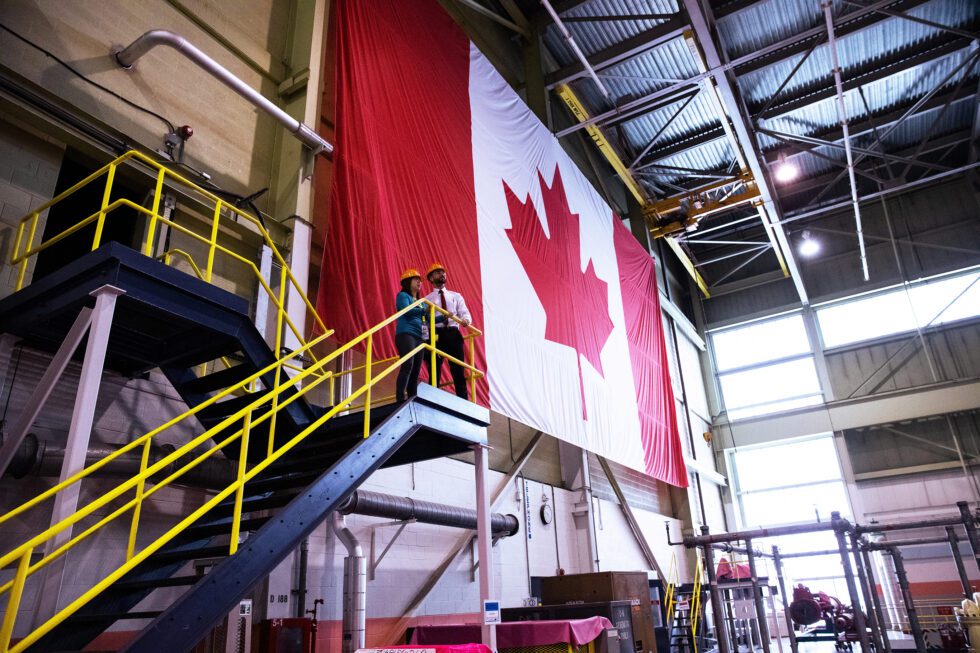
Together, Saskatchewan and Ontario form a powerful made-in-Canada energy supply chain that produces non-emitting and reliable electricity to meet the country’s energy needs.
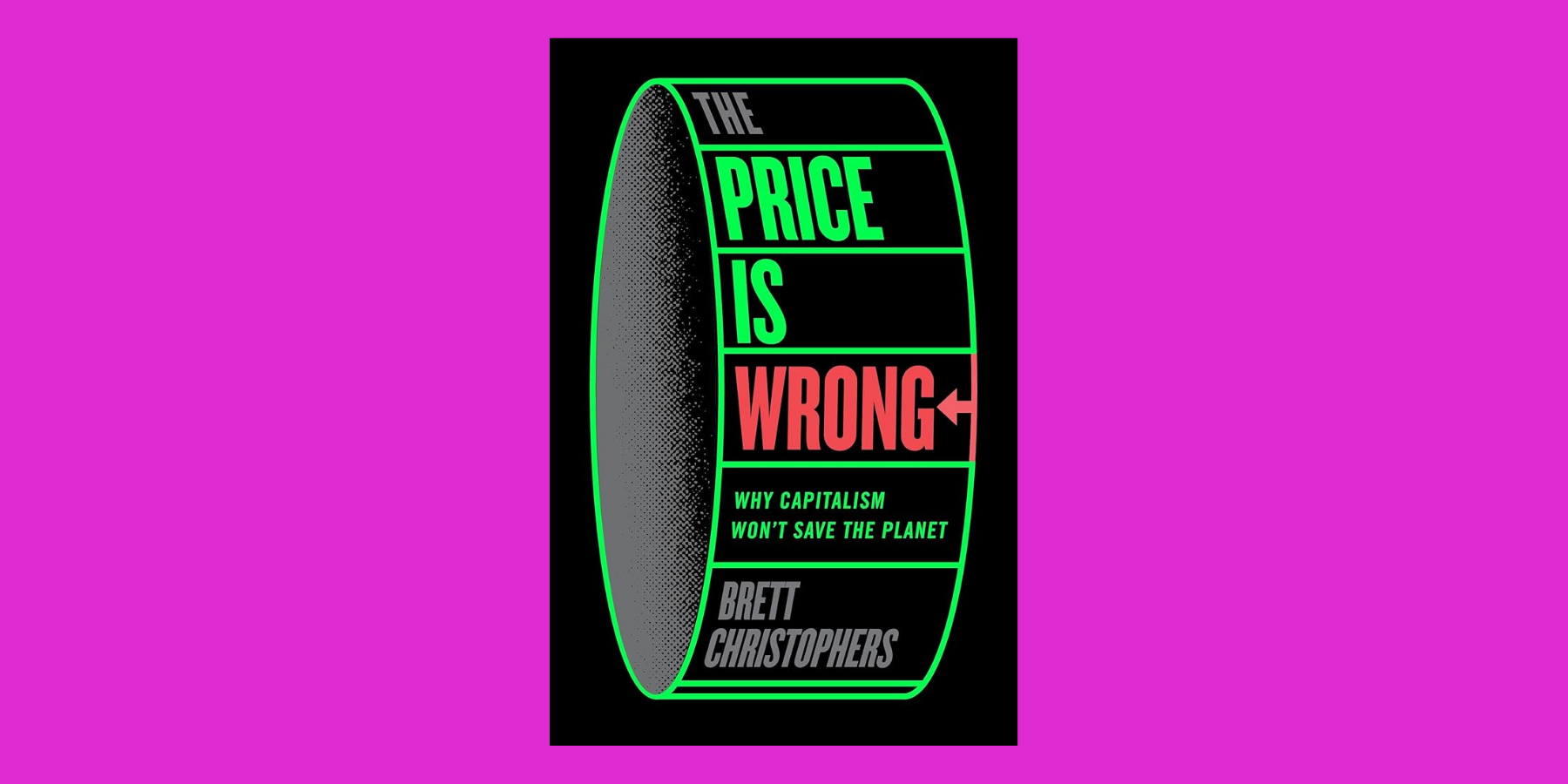
Brett Christophers’ book, ‘The Price is Wrong: Why Capitalism Won’t Save the Planet,’ argues why the energy transition can’t be left to the market.
Across Canada, public investments totalling $188 billion over five years in these key priorities are urgently needed to drive a prosperous green transformation.
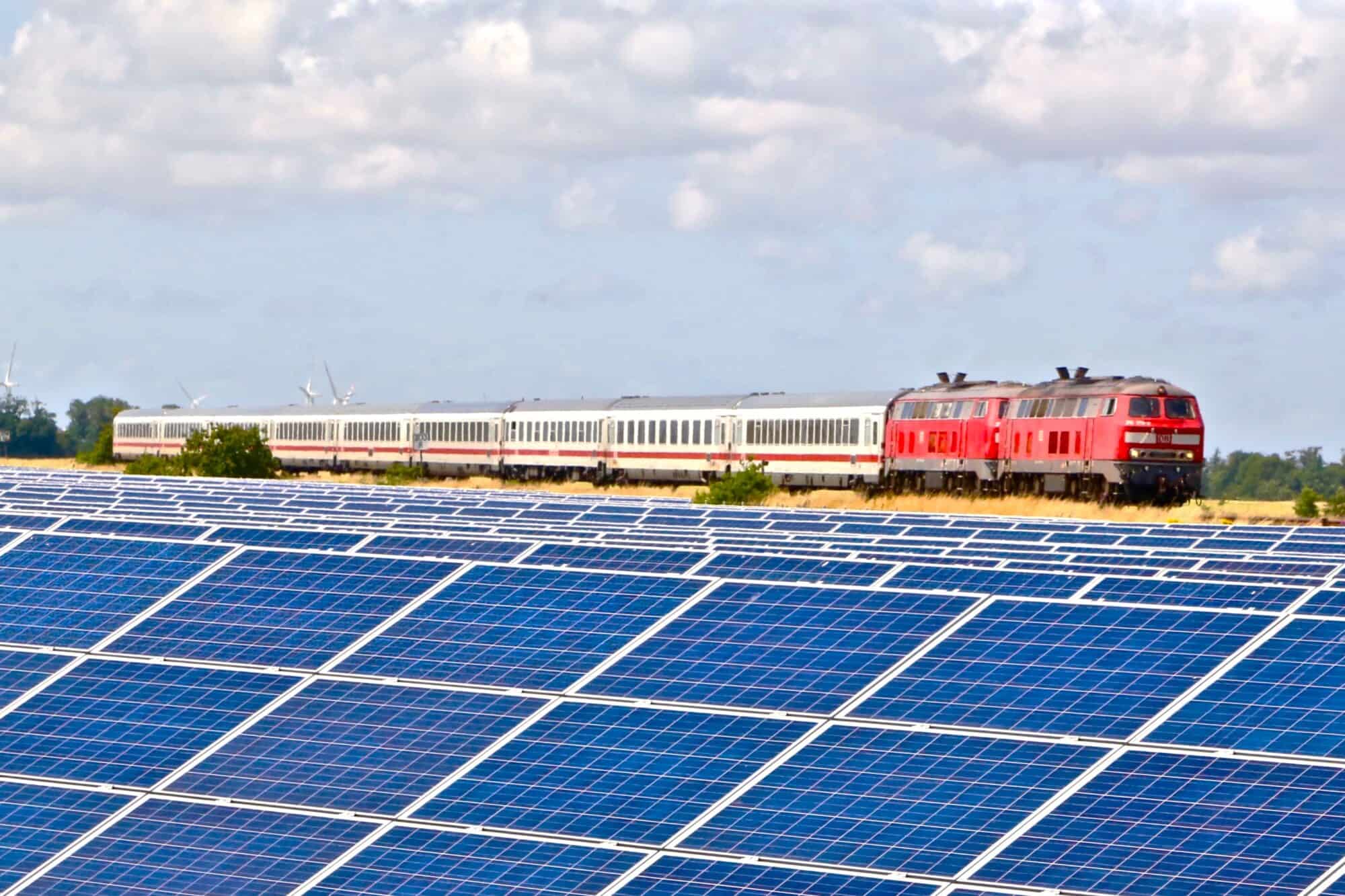
As prospects for the broadly shared prosperity that Canadians rightly expect are fading in a system in which too many of the gains go to the top, thinking about how worker ownership can play a vital role in creating a more equal, democratic economy has become an important task.

Why not talk about housing in terms of industrial strategy and the role of government in building more housing supply, instead of trying to outflank Pierre Poilievre’s inconsistent policy slogans from the right wing?