Putting the Supreme Court ruling on Aboriginal title in context
The Supreme Court of Canada’s recent stunning ruling has the potential to fundamentally change Indigenous-Crown relations.
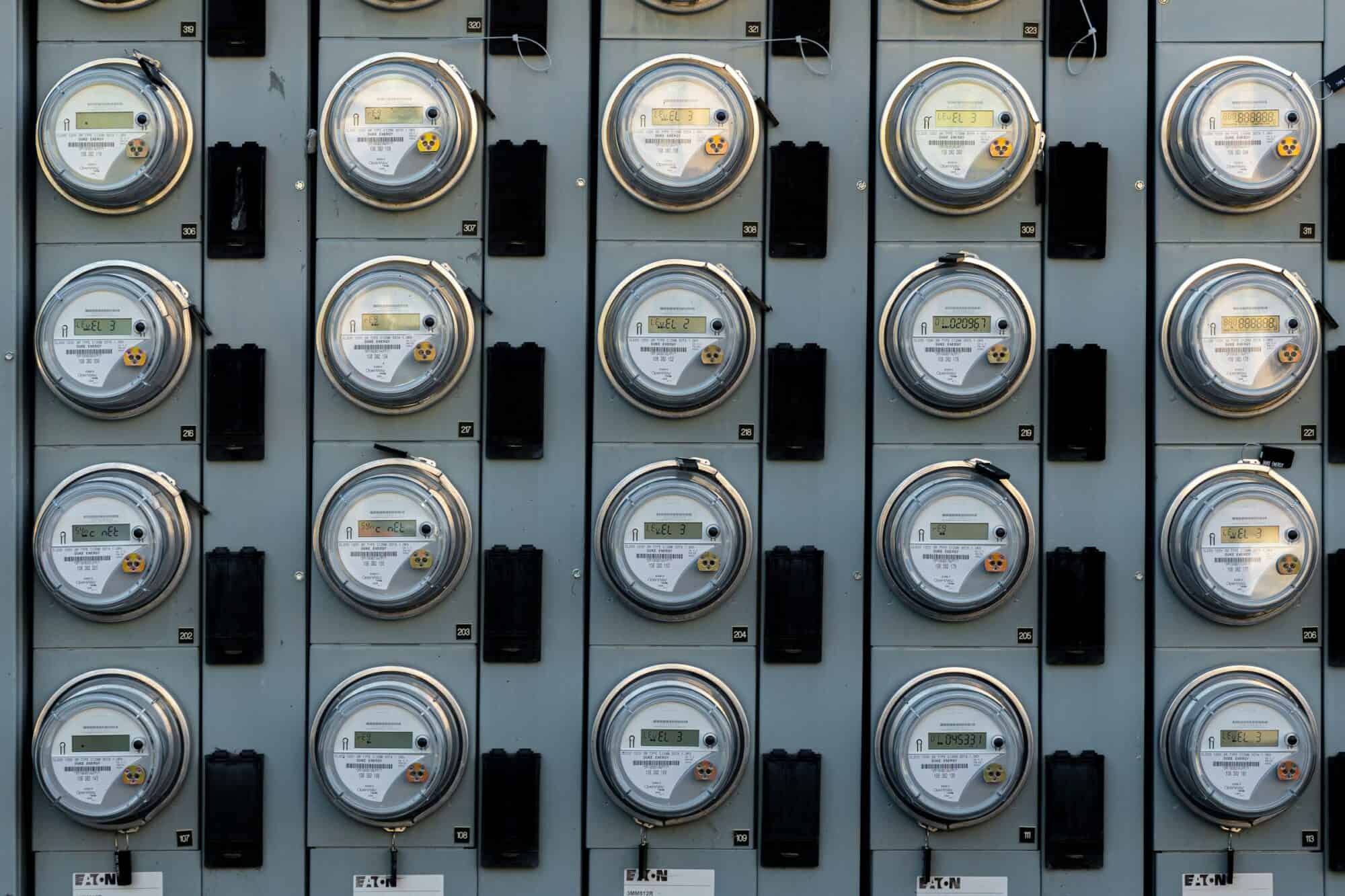
Energy efficiency is an obvious solution because it is quick, portable, abundant, and cheap. Unlike pipelines that take years to build, energy efficiency efforts can be ramped up within months.

In Canada’s particular context, left economic thinkers surmised that the role of the state is not only to foster equality, but to also help set the direction of the economy since domestic entrepreneurs were proving inadequate to the task.

Recent Mi-kmaq protests need to be contextualized in the violent history of the RCMP against Indigenous self-determination and months of peaceful protest.
The passage of two budget implementation bills in 2012– The Jobs, Growth, and Long Term Prosperity Act, and The Jobs and Growth Act– reek of neoliberalism and neocolonialism. It is clear both bills target Indigenous rights and land soverignity.
In the face of these challenges the Minister of Natural Resources reacted by repeating the untruth that Keystone XL will not increase GHG emissions. Our federal government has stuck its head back in the tar sands.

Canada’s brand of the resource curse is called the “staples trap”. The pattern was articulated by celebrated Canadian economic historian Harold Innis in his studies of Canadian staple resource economies.

Even though Canada has an abundance of clean energy resources and the potential to find the innovative capacity to take advantage of them, the staples mentality informs the federal government’s policy and politics.

Far from promoting economic security, the Conservatives appear incapable of dealing with the economy’s most vexing problems.