Messy Cities with Zahra Ebrahim
‘Messy Cities’ highlights the richness and clues in community-led design, and how the scrappiness of cities and urban diversity are what make these areas strong, vibrant, and livable.

‘Messy Cities’ highlights the richness and clues in community-led design, and how the scrappiness of cities and urban diversity are what make these areas strong, vibrant, and livable.

Dylan Dusseault of Patriotic Millionaires Canada explains why we need to tackle extreme wealth inequality in order to save democracy.

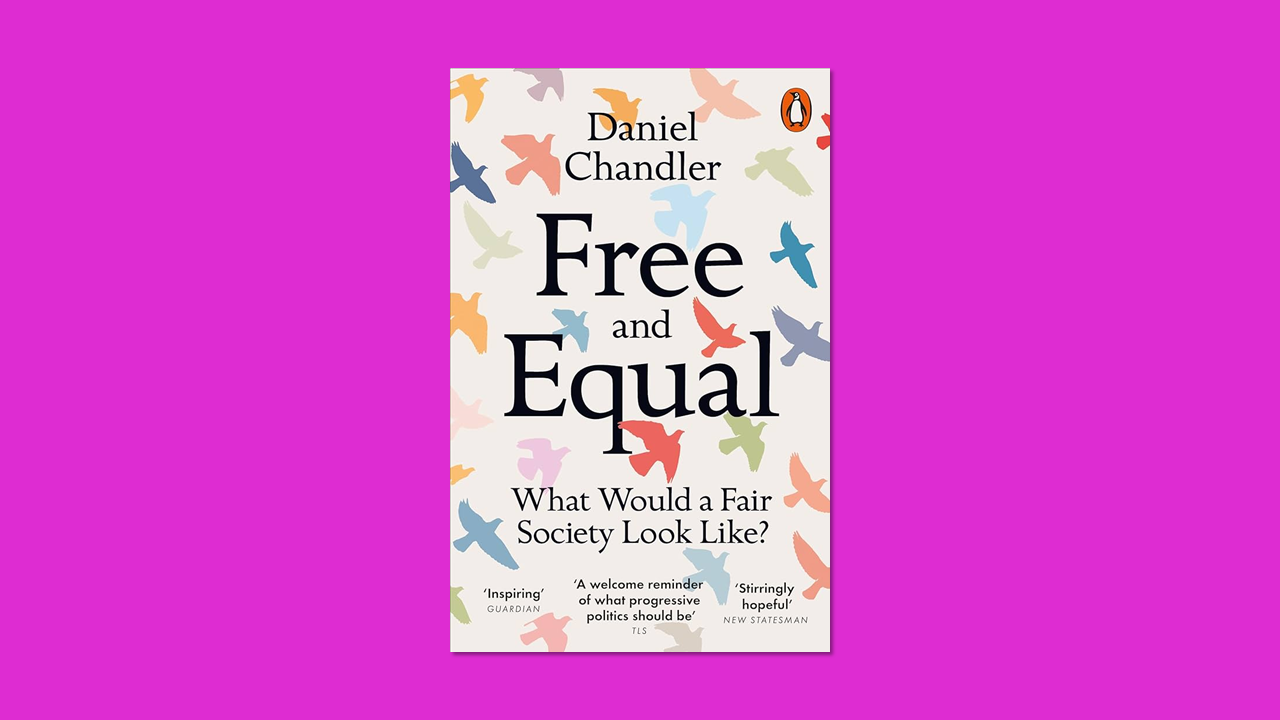
In ‘Free and Equal: What Would a Fair Society Look Like?,’ Daniel Chandler sets out on a contemporary alternative to the social and economic policies of the right, drawn from the work of John Rawls.
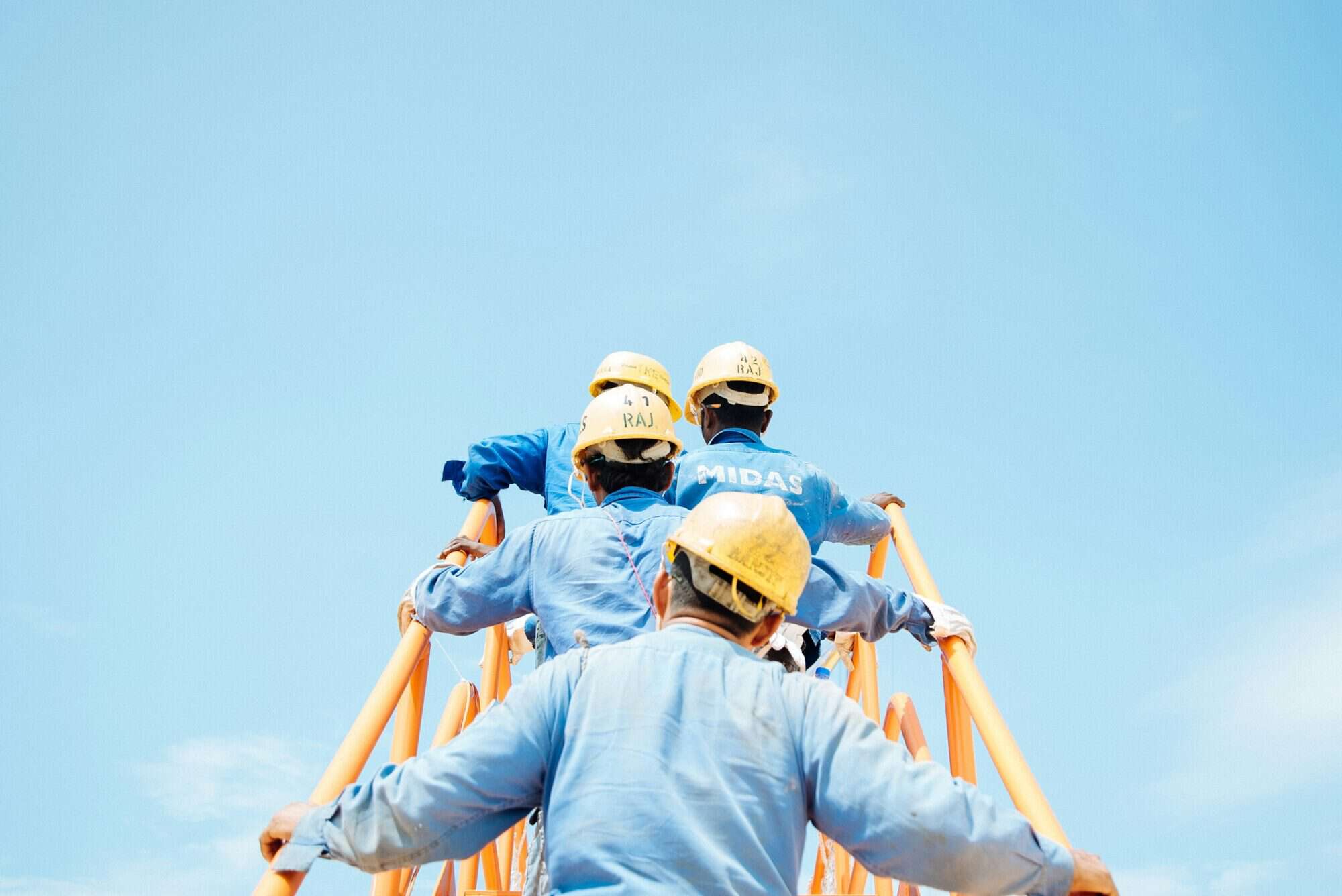
As prospects for the broadly shared prosperity that Canadians rightly expect are fading in a system in which too many of the gains go to the top, thinking about how worker ownership can play a vital role in creating a more equal, democratic economy has become an important task.
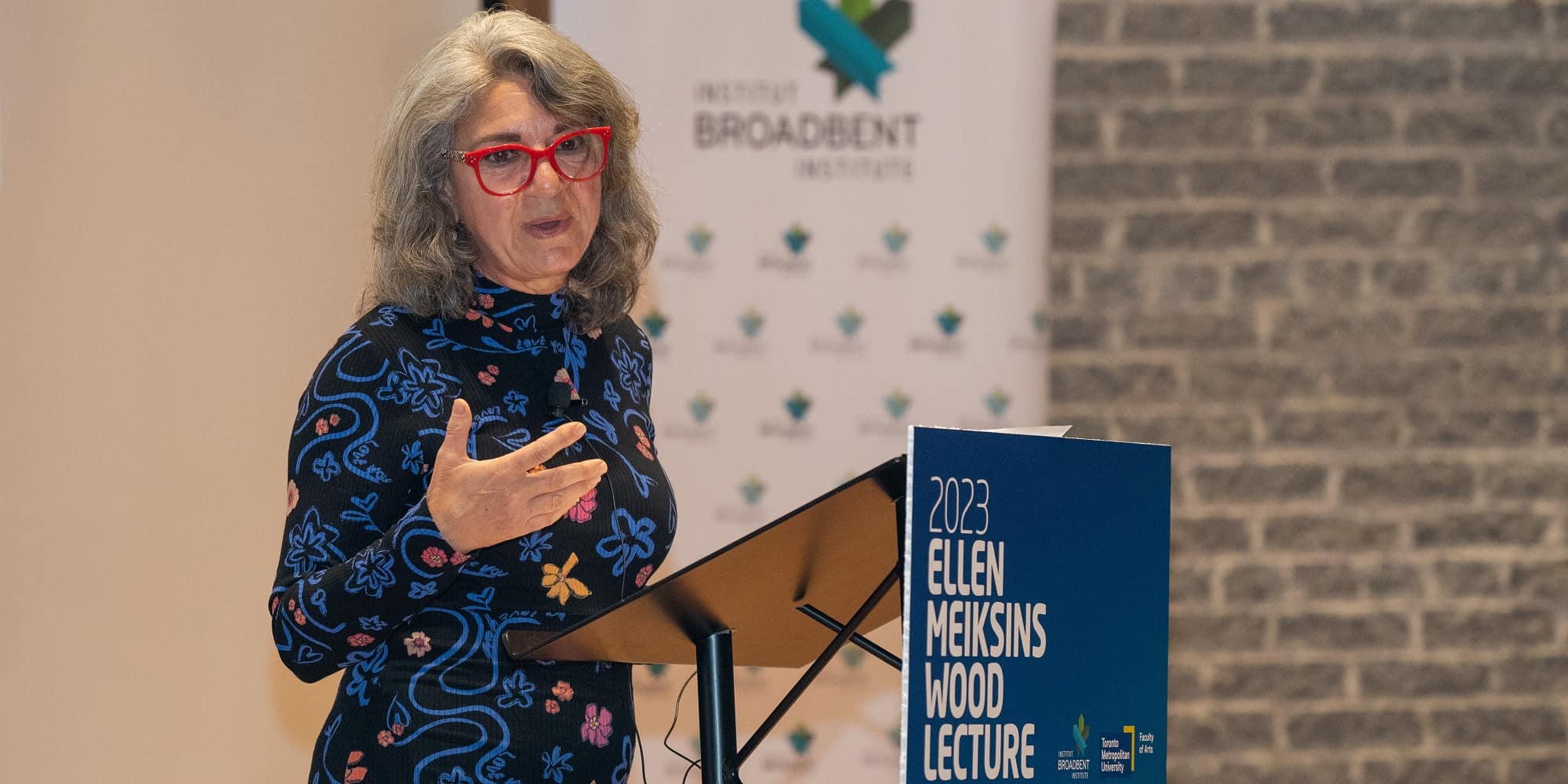
The 2023 Ellen Meiksins Wood Lecture was delivered by economist Armine Yalnizyan—a leading voice on Canada’s economic scene.
Inequity is a scourge on society, independent of absolute living conditions. It is the cause and consequence of differences in power and resources throughout society, not only at the lowest socioeconomic rungs.

The clear lesson from the past is that, once the sort of inequality that beset the Roman Empire – or that we are experiencing in Canada today – sets in, more often than not it has proven disastrous and in many cases spelled doom for entire societies.

Since the 1980s, governments around the world have reduced taxes on corporate profits and personal wealth, weakened regulations and privatized public infrastructure. These decisions allow the powerful to hoard wealth at the expense of workers, consumers, the environment, and social cohesion.

We can hardly tackle obscene and rising levels of economic inequality if we are not prepared to see a sustained rise in wages at the expense of the capital share of national income, and a sustained period of wages growing at least in line with growing productivity.