Floor-Crossing vs. Party-Democracy
To minimize floor-crossing episodes, mass parties can leverage existing political institutions to make Canada’s democracy more deliberative and participatory.

Contemporary social democracy is not equipped to take up the first of these options without a fundamental re-foundation ideologically, programmatically, and organizationally. Is such a deep reinvention possible by Canadian social democrats?

There are many lessons for today’s labour organizers and social democrats to learn from the FPU as a mass party, such as its deep entrenchment within struggling working-class communities, and the alternative economic and financial institutions it built.

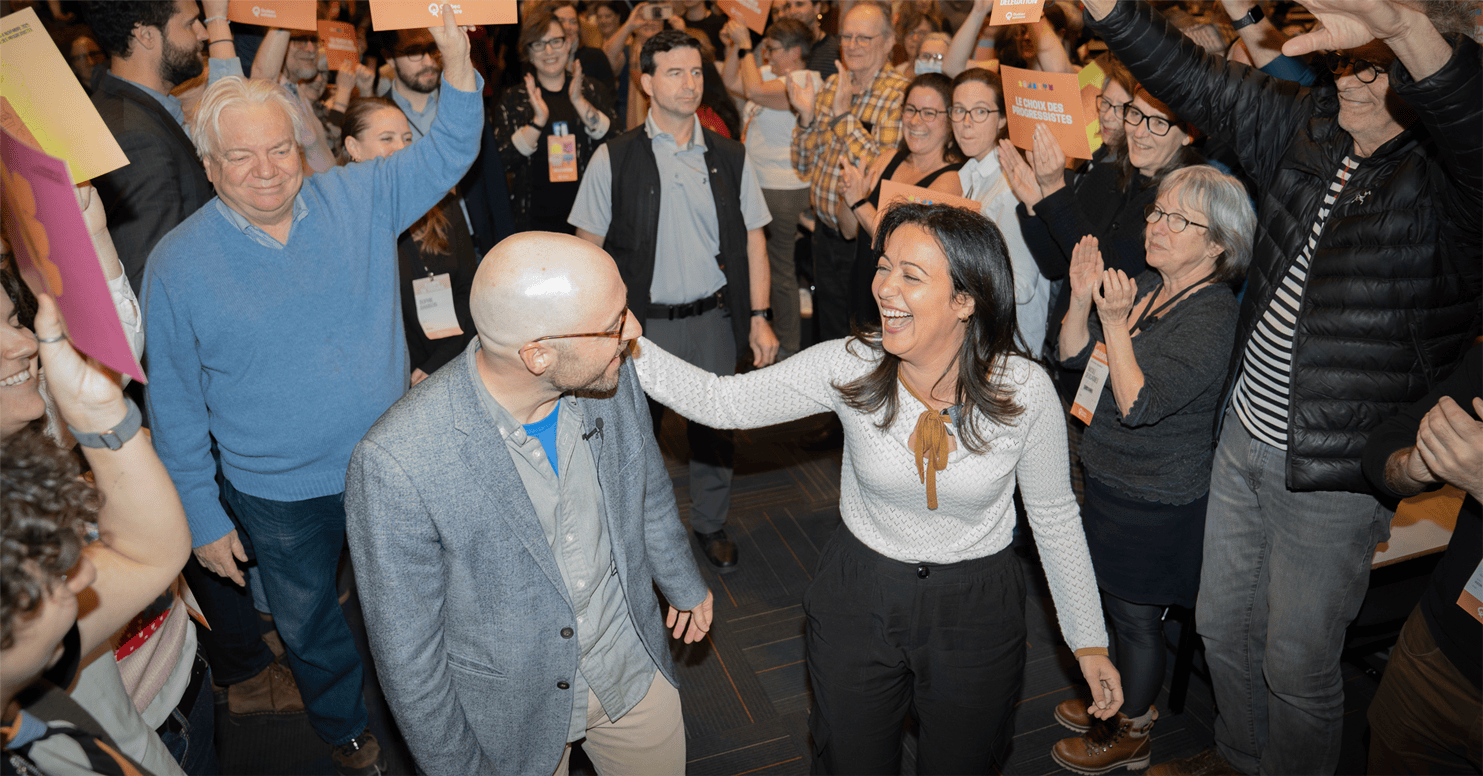
Sous sa nouvelle direction politique, Québec solidaire pourrait réussir à rallier l’imaginaire et à susciter l’enthousiasme des Québécois·e·s progressistes en vue des élections générales de 2026.

The “embers of the mass party” may still smolder, and this policy debate shows that there is a desire to reignite those flames.

Under its new leadership, Québec solidaire may be able to capture the imaginations of progressive Quebecers ahead of the 2026 general election.

Reflecting on the ONDP government led by Bob Rae from 1990 to 1995, it is clear that the success of today’s ONDP depends on its ability to deliver on substantive reforms that materially benefit Ontario’s diverse working-class.

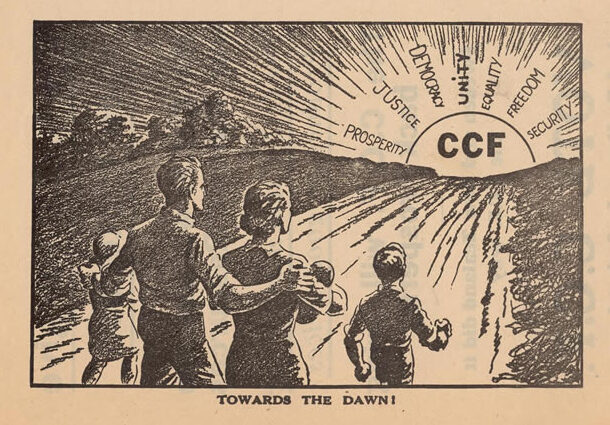
By the inter-war period, social democracy had emerged in Canada as a more or less coherent ideological and political force.

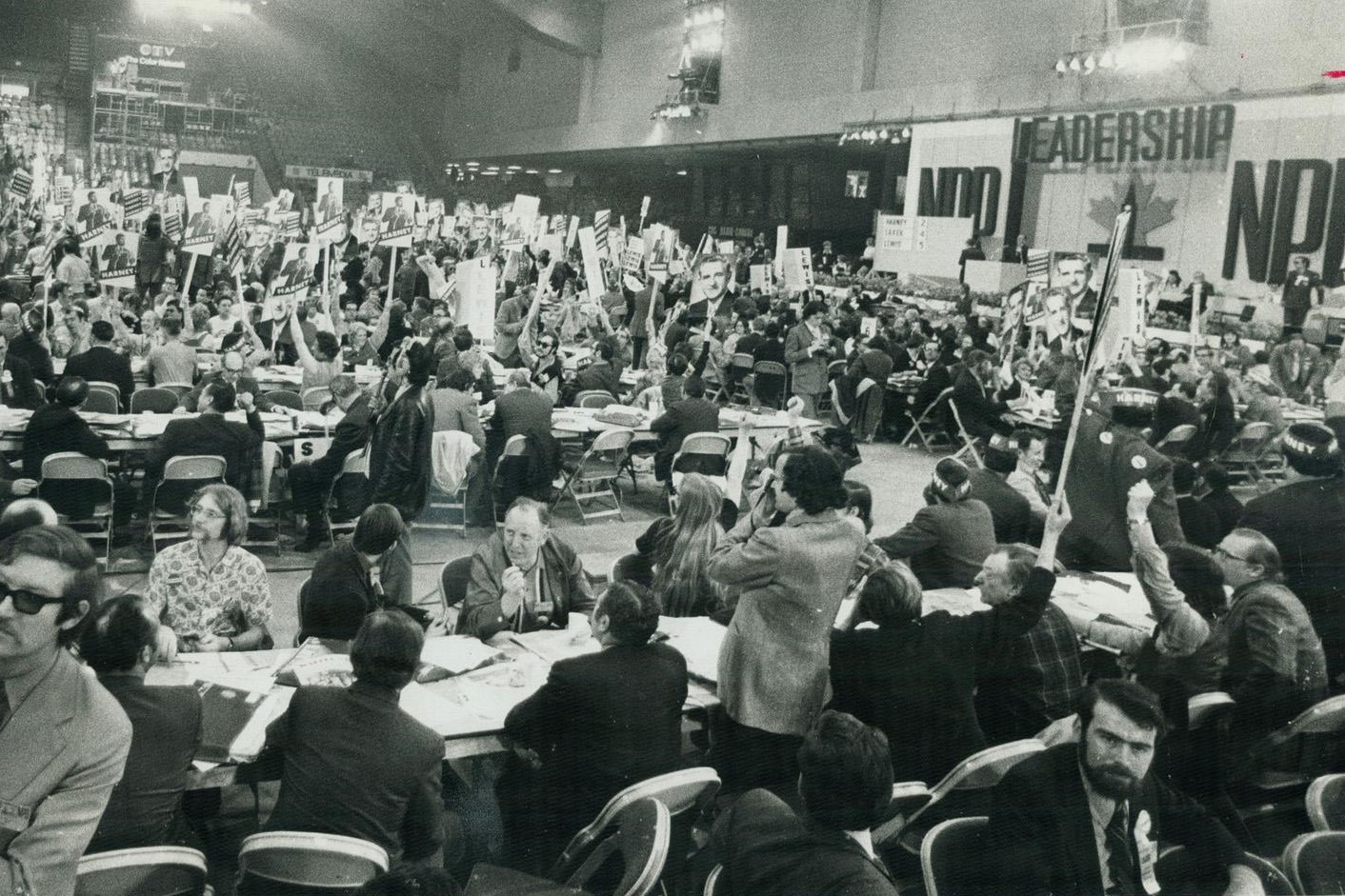
What if the CCF-NDP’s history as a mass party and a democratic, membership-based movement for a better world is in fact its unique strength in Canadian politics?